


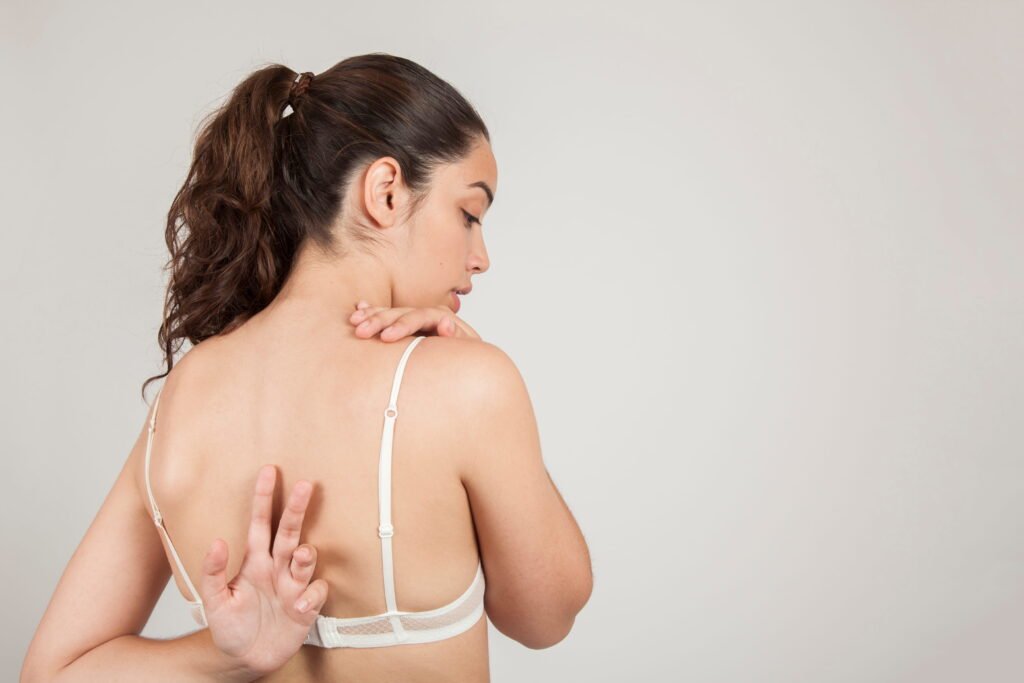
Back breakouts, often referred to as bacne, and body acne are more than just skin issues—they’re emotional hurdles that can take a toll on confidence and self-esteem. Many people struggle with these breakouts, which appear on the back, shoulders, chest, and even the arms, making them particularly hard to hide. Bacne happens when pores on the back become clogged with excess oil, sweat, and dead skin cells, creating an environment where acne-causing bacteria thrive. Similarly, body acne affects other areas of the body, leaving behind not just physical marks but emotional scars as well.
The importance of addressing these skin issues extends far beyond the physical treatment; it’s about reclaiming your confidence and feeling comfortable in your own skin. When acne is left untreated, it can result in stubborn scars, pigmentation, and ongoing breakouts. But even more than that, it impacts how we view ourselves and interact with others. Clear, healthy skin isn’t just about appearance—it’s about feeling good in your own body. Taking the right steps to treat and prevent bacne and body acne is key to restoring not only your skin’s health but also your peace of mind. Don’t let body acne control how you feel; take charge and embrace the journey to clear, glowing skin.
What Causes Back Acne?
Back acne, or bacne, is caused by a variety of factors that can disrupt the balance of the skin. The most common causes include hormonal changes, excess sweat, and clogged pores, all of which contribute to the development of breakouts on the back.
- Hormonal Changes:
Hormonal fluctuations, particularly during puberty, menstruation, pregnancy, or the use of birth control, can lead to an increase in oil production. This excess oil can clog pores and create an environment where acne-causing bacteria can thrive, leading to bacne. For both men and women, hormones are a major factor in the occurrence of acne on the back. - Excessive Sweating:
Sweat is a natural response to physical activity or hot weather, but when sweat mixes with oils and dirt on the skin, it can block pores and contribute to back acne. This is especially common in individuals who wear tight clothing, such as athletic wear, which traps sweat against the skin, further exacerbating the condition. - Clogged Pores:
Pores on the back can become clogged with a combination of dead skin cells, oil, and dirt. When pores become blocked, they form blackheads or whiteheads, which can become inflamed and develop into acne. This is often a result of poor exfoliation or using skincare products that are too harsh for the skin. - Bacterial Build-Up:
The back, like other parts of the body, is home to bacteria. When pores become clogged, the bacteria can multiply and cause inflammation, leading to pimples or cystic acne. This bacteria thrives in warm, damp environments, making areas like the back particularly vulnerable.
How to Get Rid of Body Acne
Body acne, like bacne, can be frustrating to deal with, but incorporating a few key habits and skincare practices into your routine can significantly improve the appearance of your skin. Here are some effective ways to get rid of body acne:
1. Importance of Exfoliation and Avoiding Harsh Scrubs
Exfoliation is an essential step in preventing and treating body acne. Gently exfoliating the skin helps remove dead skin cells, which can otherwise clog pores and lead to breakouts. However, it’s important to avoid using harsh or abrasive scrubs that can irritate the skin and make acne worse. Instead, opt for a gentle exfoliant that contains mild chemical exfoliants like alpha hydroxy acids (AHAs) or beta hydroxy acids (BHAs), which can effectively break down dead skin cells without causing damage or inflammation.
Exfoliating 2-3 times a week is sufficient to maintain smooth skin and prevent clogged pores. Over-exfoliating can irritate the skin and trigger more breakouts, so it’s essential to find the right balance for your skin type.
2. Using Body Washes with Acne-Fighting Ingredients
Choosing the right body wash is crucial for managing body acne. Look for body washes that contain acne-fighting ingredients like salicylic acid, benzoyl peroxide, or tea tree oil. These ingredients are known for their ability to cleanse the skin deeply, reduce inflammation, and target acne-causing bacteria.
Salicylic acid, in particular, is effective in unclogging pores and preventing breakouts, while benzoyl peroxide helps kill bacteria and reduce inflammation. Make sure to choose a body wash that’s gentle enough for daily use, but strong enough to target acne. Avoid using harsh soaps or products that contain alcohol, as they can dry out the skin and exacerbate acne.
3. Lifestyle Changes: Diet, Hydration, and Clothing Choices
Your lifestyle can also play a significant role in the health of your skin. Making some key adjustments to your diet, hydration, and clothing choices can help reduce the likelihood of body acne:
- Diet: Eating a balanced diet rich in fruits, vegetables, and whole grains while minimizing processed foods, sugar, and dairy can improve overall skin health. Research suggests that high-glycemic foods (like sugary snacks and refined carbs) can trigger acne, so reducing them in your diet may help reduce body acne.
- Hydration: Drinking plenty of water throughout the day helps keep your skin hydrated and flush out toxins. Dehydration can cause your skin to produce more oil, leading to clogged pores and breakouts.
- Clothing Choices: Wearing tight, non-breathable clothing can trap sweat and oil against your skin, which can worsen body acne. Opt for loose-fitting clothes made from breathable fabrics like cotton, which allow your skin to breathe and reduce the buildup of sweat. Changing out of sweaty clothes quickly after exercise is also important in preventing body acne.
By combining these skincare practices with mindful lifestyle changes, you can significantly reduce body acne and enjoy smoother, healthier skin.
How to Get Rid of Back Bumps
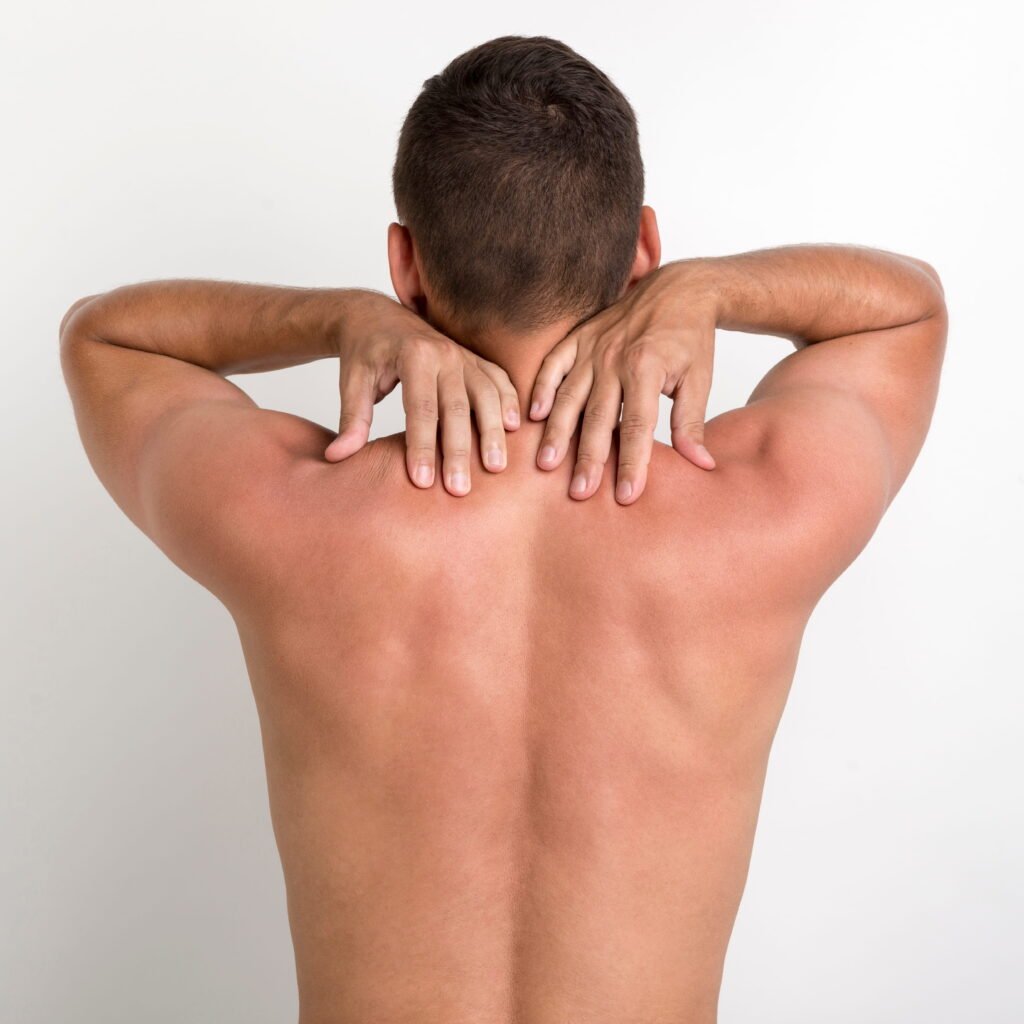
Back bumps are a common skin concern that can often be mistaken for acne, but they may actually be caused by different factors such as keratosis pilaris or clogged pores. Understanding the root cause of these bumps is crucial for effective treatment and prevention.
Causes of Back Bumps
- Keratosis Pilaris:
One of the most common causes of back bumps is keratosis pilaris, a harmless condition in which small, raised bumps appear on the skin, often resembling acne. These bumps are typically caused by the buildup of keratin (a protein in the skin), which blocks hair follicles. Keratosis pilaris is often seen on the back, arms, and thighs and is more common in people with dry skin. While it’s not painful or dangerous, it can cause a bumpy texture on the skin that many people wish to smooth out. - Clogged Pores:
Just like acne, clogged pores on the back can result in bumps. This happens when the pores become blocked with oil, sweat, and dead skin cells, leading to inflammation. If the clog is deep within the skin, it can result in larger, more painful bumps. Sweat, tight clothing, and not washing the skin properly after physical activity can all contribute to clogged pores on the back.
Best Practices for Smooth Skin
- Gentle Exfoliation:
Regular exfoliation is one of the best ways to address both keratosis pilaris and clogged pores. Gently exfoliating the skin helps remove dead skin cells and prevents them from building up and clogging hair follicles. Opt for an exfoliant that contains mild exfoliating agents like alpha-hydroxy acids (AHAs) or beta-hydroxy acids (BHAs). These chemical exfoliants can help to clear dead skin cells from the surface of the skin and inside the pores. Avoid harsh physical scrubs, as they can irritate the skin and exacerbate the condition, especially if you have keratosis pilaris. Exfoliating 2-3 times a week is generally sufficient for smoother skin without over-drying or irritating it. - Moisturizing:
Hydration is key to maintaining smooth, healthy skin. After exfoliating, always follow up with a good moisturizer to lock in moisture and prevent dryness. For people with keratosis pilaris, using a thick, hydrating moisturizer can soften the bumps and improve skin texture over time. Look for products containing ingredients like glycerin, shea butter, or ceramides, which are great for dry, rough skin. Additionally, consider using moisturizers that contain urea or lactic acid, as these ingredients can help break down the excess keratin that causes bumps. Moisturizing regularly will keep the skin nourished and help improve the appearance of back bumps.
By incorporating these practices into your skincare routine, you can effectively manage and reduce back bumps, achieving smoother, clearer skin.
How Can You Get Rid of Body Acne?
Body acne can be just as frustrating as facial acne, but with the right prevention strategies and skincare routine, it’s possible to keep it under control and achieve clear, smooth skin. Here are some helpful tips to manage and reduce body acne:
Prevention Tips: Wearing Breathable Fabrics, Avoiding Tight Clothing
One of the best ways to prevent body acne is to be mindful of your clothing choices. Wearing breathable fabrics, like cotton or moisture-wicking materials, allows your skin to breathe and prevents the buildup of sweat and oils, which can clog pores and lead to breakouts. These fabrics help keep sweat from trapping against the skin, reducing the risk of irritation and acne flare-ups.
Avoiding tight clothing is also essential. Tight clothes, especially those made of synthetic materials, can trap sweat and oil against the skin, increasing the likelihood of clogged pores and breakouts. Opt for loose-fitting clothes that allow air circulation and reduce friction on your skin. This is particularly important after exercise when sweat can easily contribute to body acne if not properly managed.
How Body Acne Can Be Managed with Proper Skincare Routines
In addition to clothing adjustments, a good skincare routine is key to preventing and treating body acne.
- Cleansing:
Cleansing your body regularly, especially after physical activity, helps remove excess oil, sweat, and bacteria from the skin. Use a body wash that contains acne-fighting ingredients like salicylic acid or benzoyl peroxide. These ingredients help to keep pores clear by exfoliating the skin and killing acne-causing bacteria. Cleanse your body gently without scrubbing harshly, as over-exfoliating can irritate the skin and trigger more acne. - Exfoliating:
Regular exfoliation helps to remove dead skin cells that can clog pores, one of the leading causes of body acne. Use a mild chemical exfoliant with AHAs or BHAs to help clear pores without irritating the skin. You can also use a soft loofah or exfoliating glove to gently buff away dead skin, but avoid harsh scrubs, as they can cause friction and worsen body acne. - Moisturizing:
Keeping your skin hydrated is essential to prevent dryness and irritation. After cleansing and exfoliating, apply a non-comedogenic moisturizer to help lock in moisture. Choose a lightweight, oil-free moisturizer that won’t clog pores but will keep your skin soft and balanced. - Targeted Treatments:
For active breakouts, use spot treatments that contain benzoyl peroxide, salicylic acid, or sulfur. These ingredients target the bacteria in the pores, reduce inflammation, and help clear up acne. Apply these treatments only to affected areas, and use them sparingly to avoid over-drying the skin. - Avoiding Harsh Chemicals:
Avoid using harsh products or soaps that strip your skin of its natural oils. These can lead to an imbalance in your skin’s moisture and make body acne worse. Stick to gentle, non-irritating skincare products, and always check labels for products that are oil-free and non-comedogenic.
By following these preventive tips and incorporating a skincare routine designed to address body acne, you can significantly reduce the occurrence of breakouts and maintain smooth, healthy skin.